
From Orchard to Jar: Organic Peaches & Peel Jelly Wisdom
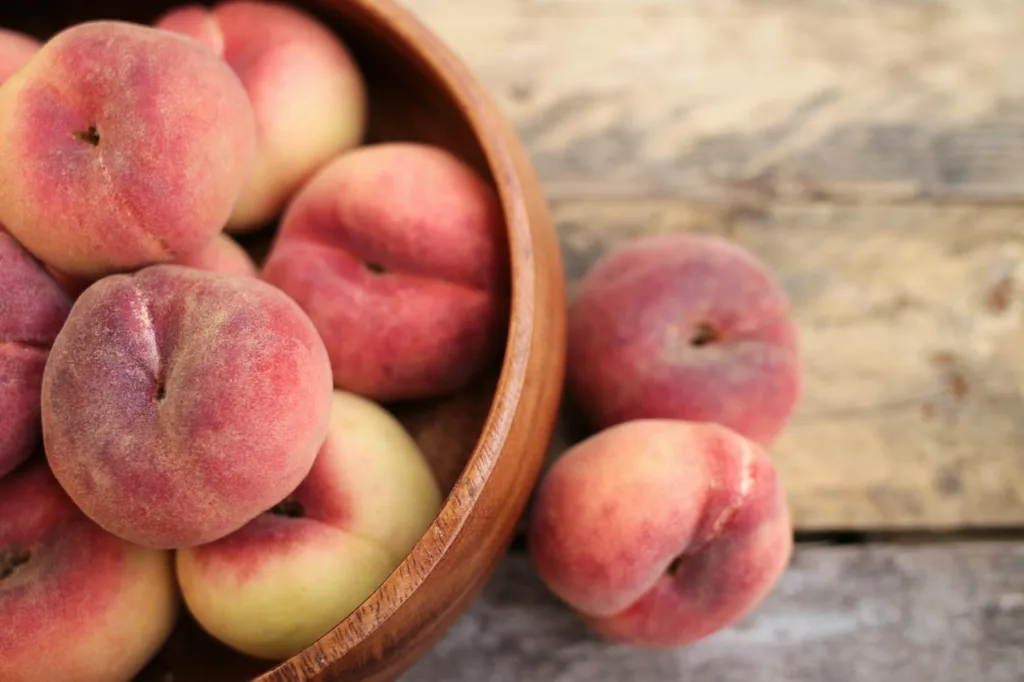
There’s nothing quite like the scent of a summer-kissed peach—sun-warmed, juice-laced, and heavy with sweetness. In the height of harvest, when baskets brim and the canning kettle sings, we honor the whole fruit, peel to pit. Choosing organic peaches allows us to preserve with confidence, knowing our jars hold clean, nourishing goodness for the colder months ahead. But peach season is more than preservation—it’s enchantment. In folk tradition, peaches are tied to love, longevity, and emotional healing. To simmer their peels into golden jelly is to bottle a bit of summer’s heart, a sweet spell for the pantry and the soul.
Step-by-Step Guide to Canning Peaches
Equipment You’ll Need
- Water bath canner with rack
- Quart or pint canning jars
- New lids and clean bands
- Jar lifter and funnel
- Large pot for blanching
- Slotted spoon
- Bowl of ice water
- Paring knife and cutting board
- Clean towels
Ingredients
- Fresh, ripe freestone peaches (about 2–3 lbs per quart)
- Lemon juice (1 Tbsp per pint or 2 Tbsp per quart)
- Packing liquid:
- Light syrup: 2 cups sugar + 5 cups water
- Medium syrup: 3 cups sugar + 5 cups water
- Fruit juice: White grape or apple juice
- Water: With added lemon juice for safety
Step-by-Step Process
1. Sterilize Your Jars
- Wash jars in hot, soapy water.
- Place upright in your canner or large pot with water covering them.
- Boil for 10–15 minutes. Keep warm until ready to fill.
2. Prepare Peaches
- Wash peaches thoroughly.
- Blanch in boiling water for 30–60 seconds, then transfer to ice water.
- Slip off skins easily.
- Cut in half or slices and remove pits.
- Keep cut peaches in lemon water to prevent browning.
3. Make Your Syrup or Packing Liquid
- Heat your chosen liquid until warm.
- Keep it hot for packing.
4. Fill the Jars
- Add lemon juice to each jar.
- Pack peaches snugly (halves or slices).
- Pour hot syrup or juice over peaches, leaving ½ inch headspace.
- Remove air bubbles with a spatula or chopstick.
- Wipe rims clean and apply lids and bands.
5. Process in Water Bath
- Place jars in canner with water covering them by 1–2 inches.
- Bring to a boil and process:
- Pints: 20 minutes
- Quarts: 25 minutes
(Adjust for altitude if needed)
6. Cool and Store
- Remove jars with a lifter and place them on a towel.
- Let it sit undisturbed for 12–24 hours.
- Check seals (lid should not flex).
- Label and store in a cool, dark place.
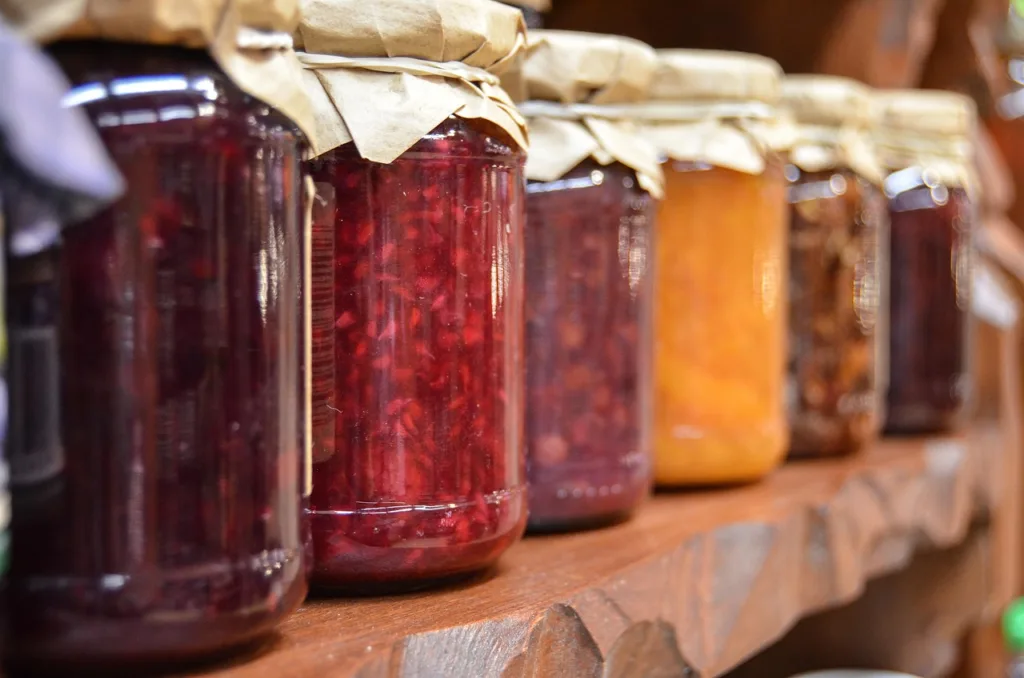
Peach Peel Jelly Recipe (Small Batch)
Ingredients
- 4 quarts peach peels (and optional pits)
- Water (just enough to cover)
- 1 box powdered pectin
- 3 cups sugar (adjust to taste)
- Optional: cinnamon stick, vanilla bean, or lemon peel for added depth
Instructions
- Simmer the scraps: Place peach peels (and pits if using) in a large pot. Cover just barely with water. Simmer for 30 minutes.
- Steep overnight: Let the mixture sit, covered, overnight to extract full flavor.
- Strain: In the morning, strain through cheesecloth or a fine sieve. Compost the solids.
- Measure juice: You’ll need about 3 cups of peach-infused liquid.
- Make the jelly:
- Add pectin to the juice and bring to a rolling boil.
- Stir in sugar all at once.
- Boil hard until the mixture sheets off a spoon (about 2–3 minutes).
- Jar it up: Ladle into sterilized jars, leaving ¼ inch headspace. Wipe rims, seal, and process in a boiling water bath for 5 minutes.
Notes for Your Cottage Kitchen
- Pits: Some recipes include peach pits for flavor, but they contain trace amounts of amygdalin (a compound that can convert to cyanide). Many folks have used them safely for generations, but you can skip them if you prefer.
- Flavor twist: Add warming spices like clove or ginger for a fall-inspired jelly.
- Magical correspondence: Peaches are tied to love, longevity, and emotional healing—this jelly is a sweet spell in a jar.
Spell for Love & Harmony in the Jar Spoken as you stir clockwise
“Sweet sun, soft fruit, summer’s gold, In this pot, your warmth I hold. Sugar melts and love flows free, Harmony stirred from fruit and tree.
By peach and flame, by hand and heart, let joy and calm in each jar start. Seal this spell with gentle grace— A kiss of peace in every taste.”
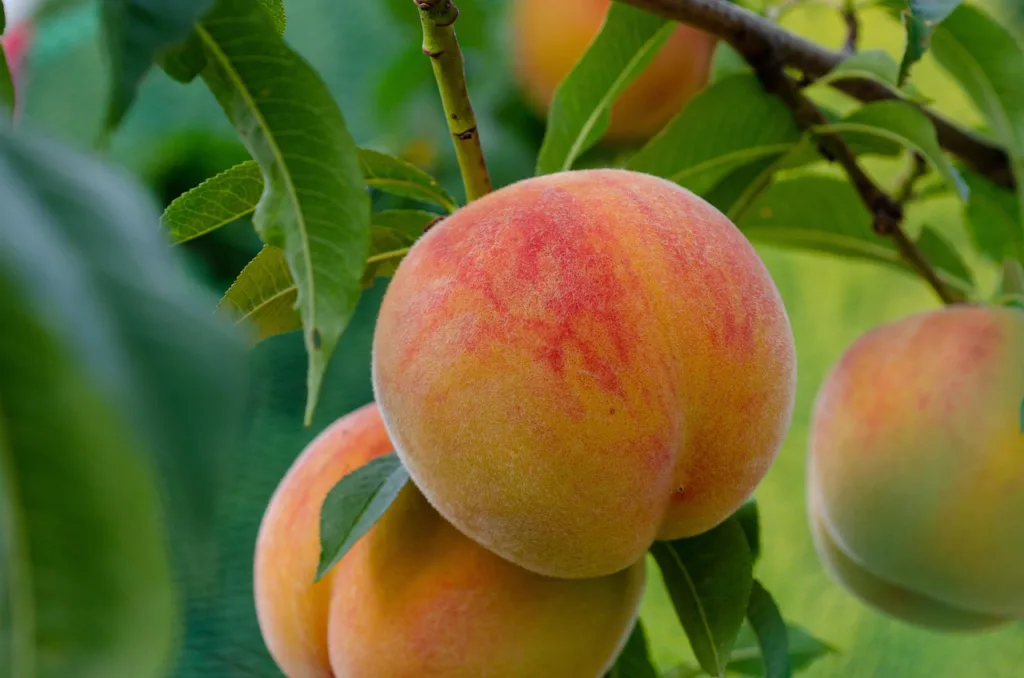
How to Grow a Peach Tree from a Pit
Includes USDA Zones, Growing Instructions, and Cold Frame/Hoop House Tips
Step 1: Choose the Right Peach Pit
- Use organic, locally grown peaches; they’re more likely to be viable and adapted to your climate.
- Freestone varieties are easier to clean, but any ripe peach will do.
- Avoid store-bought peaches that have been cold-stored or irradiated—they may not germinate.
Step 2: Clean and Prepare the Pit
- Eat the peach and scrub the pit clean of all flesh.
- Rinse with warm water and let it air dry for 24–48 hours.
- Optional: Carefully crack the outer shell to expose the seed inside (this can speed germination but risks damage).
Step 3: Cold Stratification
Peach seeds need a chilling period to mimic winter dormancy.
Two methods:
- Refrigerator Method:
- Wrap the pit in a damp paper towel, place it in a ventilated plastic bag, and refrigerate it for 8–12 weeks.
- Check periodically for mold or sprouting.
- Outdoor Method (Zone 4+):
- Plant the pit in fall, 3″ deep in well-drained soil.
- Mark the spot and let nature stratify it over winter.
- Germination will occur in the spring.
Step 4: Planting the Germinated Pit
- Once sprouted, plant in a sunny, elevated spot with well-drained, slightly acidic soil (pH 6.0–6.5).
- Space trees 15–20 ft apart (or 5–10 ft for dwarf varieties).
- Water deeply but avoid soggy soil.
Step 5: Caring for Your Sapling
- Zones 5–8 are ideal for peaches, but cold-hardy varieties like ‘Reliance’ or ‘Contender’ can survive in Zone 4 with protection.
- Mulch around the base to retain moisture and insulate roots.
- Stake young trees to prevent wind damage.
- Begin pruning in year 2 to shape an open center (vase-like structure).
Cold Frame & Hoop House Possibilities
Peach trees are typically grown outdoors, but cold frames and hoop houses can support early growth and overwintering in colder zones:
Cold Frame Use
- Ideal for starting pits outdoors in the fall for natural stratification.
- Protects young saplings from harsh winds and frost heave.
- Use a slanted glass lid facing south for winter sun.
Hoop House Use
- Great for extending the season and early spring planting.
- Helps young trees establish roots before being transplanted outdoors.
- Use breathable frost cloth or UV-resistant plastic.
- Ventilate on sunny days to prevent overheating.
For Zone 4 growers, pairing cold-hardy peach varieties with a temporary hoop house or permanent cold frame can give your tree the edge it needs to thrive.
Growing Peaches: A Legacy of Care
Peach trees thrive in full sun and well-drained soil, and with the right cold-hardy varieties like Reliance, Contender, or Redhaven, even Zone 4 growers can enjoy their golden fruit. These trees ask for patience—often taking 3–4 years to bear fruit—but reward you with fragrant blossoms and sweet harvests that echo through generations. Their pruning, thinning, and seasonal tending become rituals of renewal, aligning beautifully with your regenerative ethos.
Peach Blossoms: Symbols of Vitality & Feminine Magic
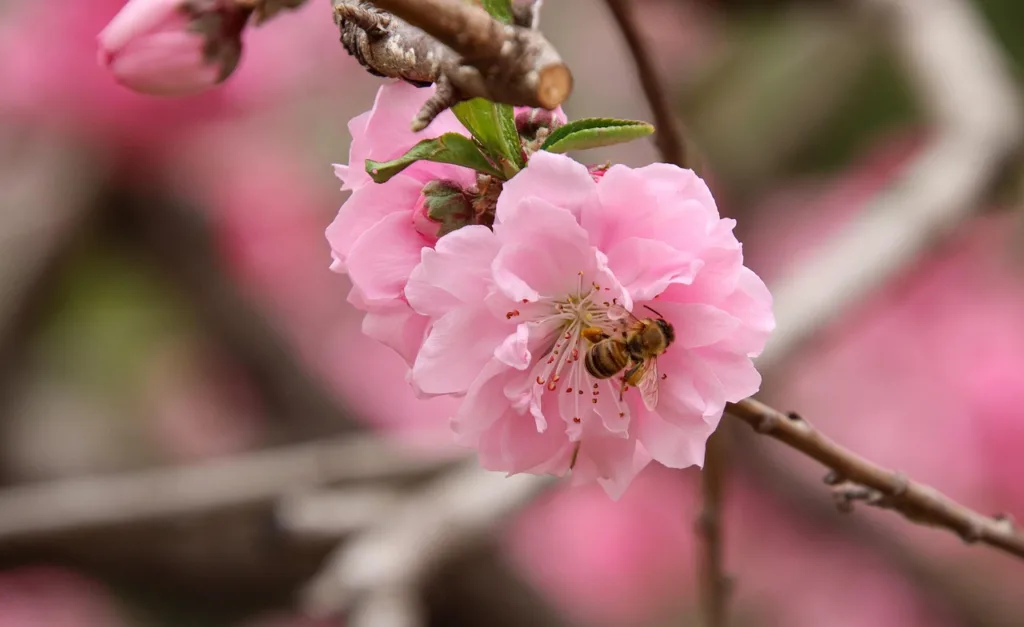
Peach blossoms bloom in early spring, often before the leaves unfurl, painting bare branches with clouds of pink. In Chinese folklore, they symbolize longevity, love, and feminine energy. Their petals—soft, oval, and often unscented—can be used in teas, honey infusions, or even love spells. You might include a springtime ritual where blossoms are gathered with intention, dried, and added to seasonal altar blends or bath soaks.
Honey Bees: Pollinators of Fruit & Spirit
Peach blossoms are irresistible to honey bees, who buzz through orchards in spring, transferring pollen and ensuring fruit set. Their presence not only boosts yield but also supports biodiversity and soil health. You could add a note of gratitude to the bees in your guide—perhaps a small offering ritual or planting bee-friendly herbs like thyme, mint, and lavender around your orchard. Some beekeepers even report bees sipping peach juice from fallen fruit, adding a whisper of orchard magic to late-season honey.
“As the bees hum through the blossoms and the fruit swells with sun and care, I’m reminded that this work is never solitary. It’s a collaboration—with the land, the seasons, and the unseen forces that guide our hands. Thank you for tending your own patch of magic. May your peaches be sweet, your bees be busy, and your blossoms remind you of the beauty in becoming.”
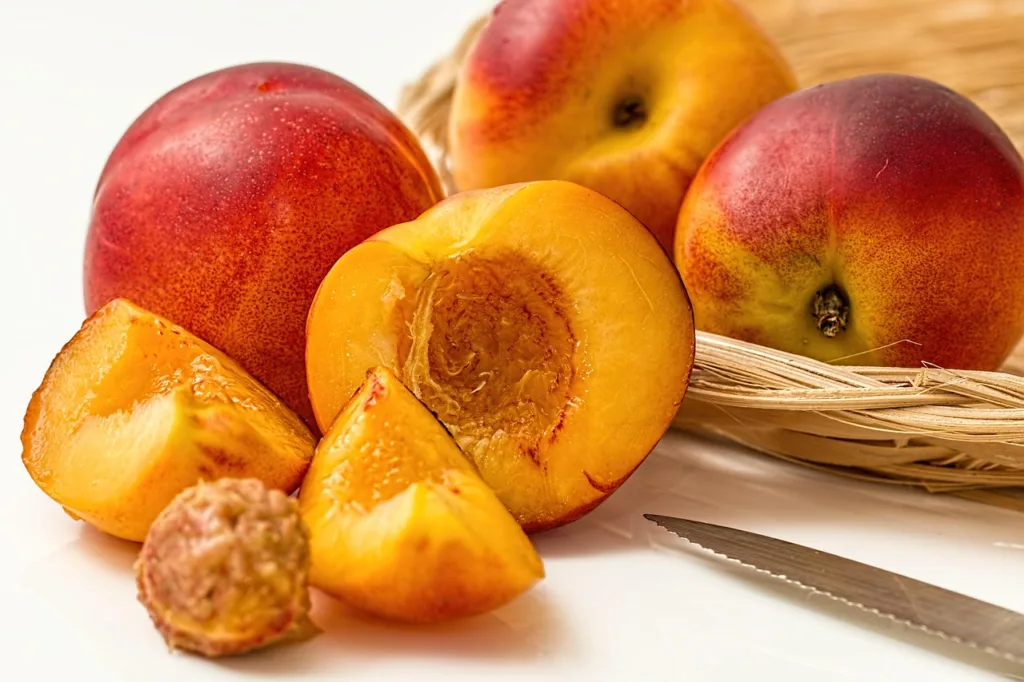
As you tuck each jar of Peaches and jelly onto the shelf, know that you’re sealing in more than summer’s sweetness—you’re preserving intention, care, and the quiet magic of nature’s rhythm. I send you love with every spoonful, and wish you longevity in your craft, your health, and your connection to the land. Thank you for being here, for walking this seasonal path with me, and for weaving nature’s magic into your daily life. If you’d like more guides, rituals, and regenerative wisdom delivered to your inbox, I invite you to sign up for my newsletter and join our growing circle of intentional makers and growers.
With gratitude and peach-sticky fingers,
Kirsten


