
Enchanted Autumn Gardens: The Comprehensive Guide to Fall-Sown Flower Seeds for Zones 4, 5, and 6
Introduction
As the lush energy of summer wanes and the first hint of autumn chills the air, dedicated gardeners in USDA Hardiness Zones 4, 5, and 6 know that nature’s rhythm still pulses with promise.
Read more: Enchanted Autumn Gardens: The Comprehensive Guide to Fall-Sown Flower Seeds for Zones 4, 5, and 6Fall is not simply a time to “put the garden to bed”; instead, it offers a powerful window to sow a next year’s tapestry of cool-season annuals, biennials, and perennials. These fall-sown seeds not only get a head start on spring, but for many—especially those adapted to cold climates—the chill of winter is a crucial requirement for strong germination and robust blooms.
Autumn sowing is more than a task—it’s a ritual.
As the wheel turns and the light wanes, the fall garden becomes a place of quiet magic and intentional preparation. To sow seeds in this season is to participate in an ancient rhythm: one that honors both the science of soil and the stories whispered through petals and moonlight.
This guide is crafted for growers in Zones 4, 5, and 6 who walk the line between horticulture and heritage. It offers not only a clear roadmap—what to sow, when to sow, and how to prepare—but also a deeper invitation: to align your planting with lunar cycles, elemental correspondences, and the folklore woven into each flower’s bloom. Whether you farm for market or tend a cottage plot, this is your companion for cultivating beauty, resilience, and meaning in the autumn garden.
Fall Sowing: Why Sow in Autumn in Cool Climates?
Gardeners in cold-winter regions quickly learn that fall and early spring can be the most powerful times to sow many hardy flowers. By mimicking the natural cycles of plants that drop their seeds in autumn, fall sowing lets you exploit winter’s cold stratification—a key step for breaking dormancy in many perennial and biennial seeds.
Key benefits of fall sowing include:
- Less spring labor: seeds are sown when the soil is workable and before winter sets in, so there’s less to do after the thaw.
- More vigorous, earlier blooms: fall-sown seedlings tend to flower weeks earlier than spring-sown ones, helping bridge the “floral gap” between spring bulbs and summer annuals.
- Mimicry of nature’s own processes: Many favorite species—such as Black-Eyed Susan and Larkspur—naturally drop seed in autumn, using winter chill to trigger germination.
- Stronger root systems: Autumn-sown seeds establish roots ahead of the summer heat, resulting in more resilient, drought-tolerant plants.
- Opportunities to combine gardening with magical and lunar traditions for deeper seasonal connection.
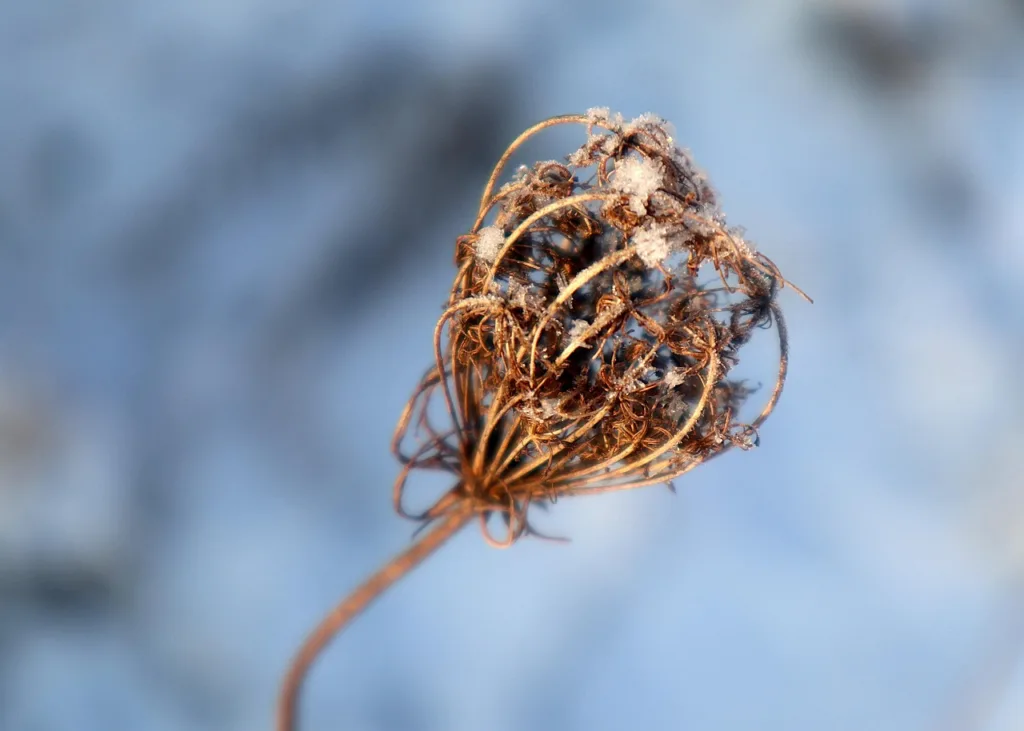
Note from the garden gate: Some links in this post may be affiliate links. That means if you choose to make a purchase through them, I may earn a small commission—at no extra cost to you. Every seed sown and every tool shared helps support the work I do here at Hedge Witch Cottage, crafting seasonal guides and magical resources for intentional growers. Thank you for walking this path with me.
Overview: Cool-Season Flowers for Fall Sowing in Zones 4, 5, and 6
The following sections detail a carefully curated and referenced list of cool-season annuals, biennials, and perennials. For each flower, you’ll find:
- Botanical and common names
- USDA hardiness zones
- Preferred planting conditions (sun or shade, soil requirements)
- Preferred moon sign for sowing (lunar/zodiac traditions)
- Germination requirements (light or dark)
- Folklore and magical correspondences (healing, love, protection, more)
A comprehensive comparison table appears near the end for reference and quick planning.
The Fall-Sown Flower Gallery: All the Details
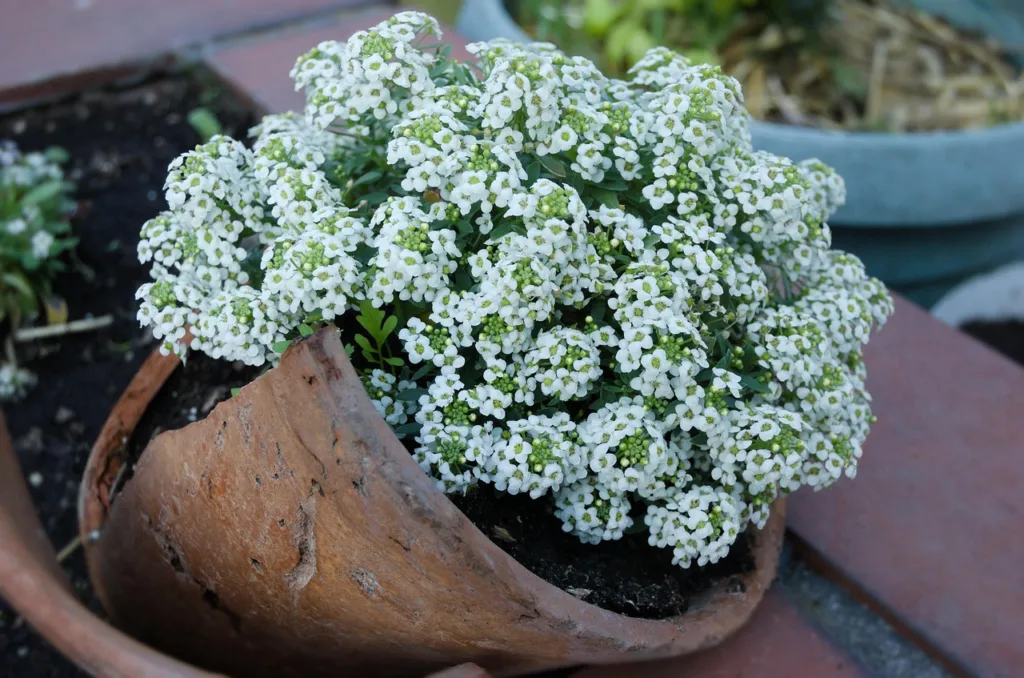
Sweet Alyssum (Lobularia maritima)
- Preferred USDA Zones: 3–10 (fall sowing as an annual in Zones 4–6)
- Planting Conditions: Full sun to part shade; well-drained soils; average fertility
- Moon Sign: Best sown when the moon passes through Libra (for abundant blooms) or Cancer (for vigorous growth) per lunar gardening traditions
- Germination Requirements: Requires light—do NOT cover seeds; press onto soil surface
- Folklore/Magical Correspondences: Associated with peace, emotional balance, and protection against anger directed at the gardener; said to invite tranquility into the home and soothe tensions
Context: Sweet Alyssum is a dense, low-growing annual that excels at bed edges or containers. It is valued for abundant, fragrant white or purple flowers and for attracting beneficial insects. Its light-dependent germination is typical of tiny flower seeds, making shallow sowing or surface-sowing crucial.

Bachelor Buttons / Cornflower (Centaurea cyanus)
- Preferred USDA Zones: 3–8 (hardy annual)
- Planting Conditions: Full sun; well-drained, neutral to slightly alkaline soil; tolerates poor soils
- Moon Sign: Flower Moon (Libra/Air sign) supports flower production and showy blue blooms
- Germination Requirements: Requires darkness; sow 1/4″ deep and cover seed
- Folklore/Magical Correspondences: Traditionally, worn to attract love and courage; associated with youthful courtship and good fortune. Historically used in wedding bouquets and as a symbol of fidelity
Context: Often called Cornflower, this easy-to-grow European wildflower is famous for its vivid blue petals. It blooms profusely from early summer, self-seeds well, and is practically a cottage garden emblem. Bachelor Buttons are drought-tolerant and attract bees and butterflies; their magical associations are deeply linked to love and success.

Calendula (Calendula officinalis) (Pot Marigold)
- Preferred USDA Zones: 2–11 (annual; reliable in zones 4–6)
- Planting Conditions: Full sun to part shade; average, well-drained soil
- Moon Sign: Leaf Moon (Cancer/Water sign) favors optimal leaf and flower production
- Germination Requirements: Needs darkness—sow 1/4–1/2” deep; cover seed lightly
- Folklore/Magical Correspondences: Associated with protection and healing; used in love, renewal, and protection spells. Calendula petals, used in traditional teas and ointments, bring the energies of the sun, cheerfulness, and positive transformation
Context: Calendula is beloved for edible and medicinal bright yellow-orange flowers, used in herbal remedies and culinary decoration. As a reliable fall or spring sown bloom, it is vigorous in cool climates and can tolerate light frost. Cheerful and resilient, Calendula self-seeds and blooms over a long window.
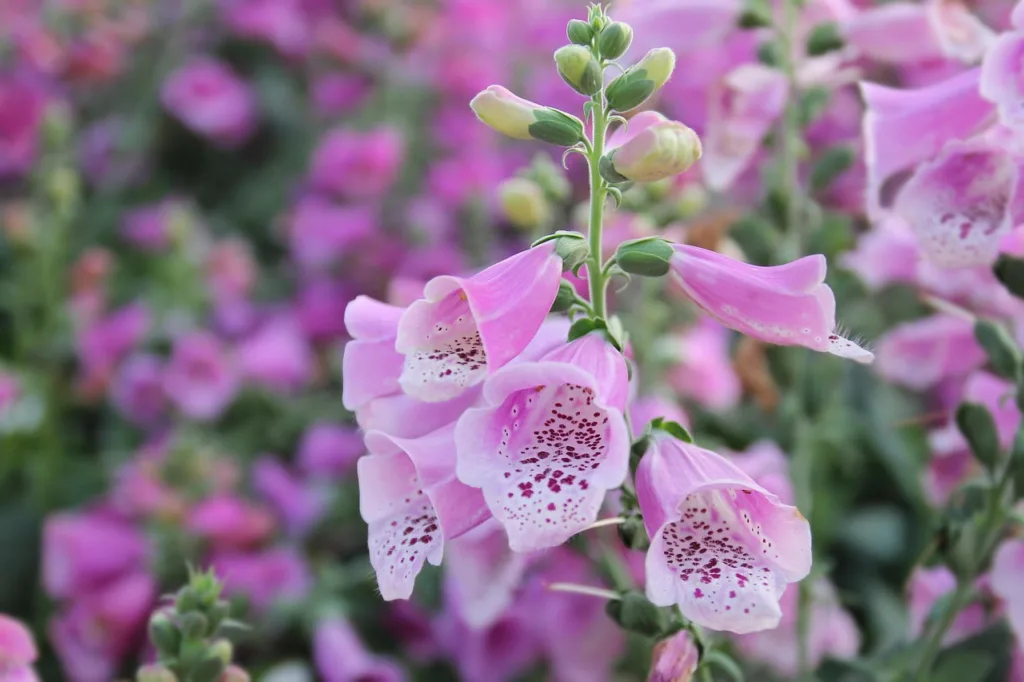
Foxglove (Digitalis purpurea)
- Preferred USDA Zones: 4–9 (biennial/perennial)
- Planting Conditions: Partial shade to full sun; moist, rich, well-drained soil; avoid overwatering
- Moon Sign: Root Moon (Capricorn/Earth sign) for strong root and rosette formation
- Germination Requirements: Requires light—surface sow and do not cover
- Folklore/Magical Correspondences: Foxglove is famously associated with faery magic, protection, and spiritual aid; worn as amulets to ward off negative energy, attract helpful fae, and offer charm to the household
Context: Foxglove is a striking biennial/short-lived perennial best known for its dramatic, stately spikes of bell-shaped blooms. It forms leafy rosettes its first year, flowering in the second year. All parts are highly toxic; this poisonous nature factors into much folklore focused on protection and transformation.
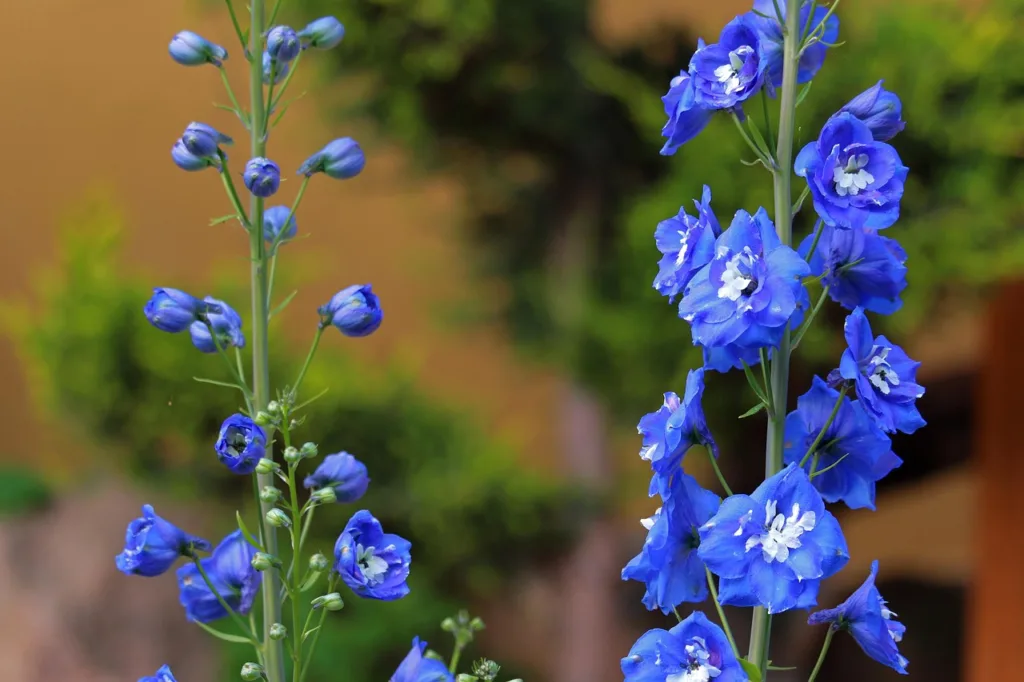
Larkspur (Consolida ajacis)
- Preferred USDA Zones: 2–10 (annual; very hardy, ideal for fall sowing in 4–6)
- Planting Conditions: Full sun; well-drained, slightly moist to dry, alkaline soils; avoid soggy sites
- Moon Sign: Favorable in Libra or Gemini (Air signs) for tall, showy spikes; also Cancer for vigorous seedling emergence
- Germination Requirements: Requires darkness; sow at 1/8–1/4″ deep
- Folklore/Magical Correspondences: Said to ignite passion and protect from heartbreak; gifted as a token of love and protection in English folk tradition
Context: Larkspur or Delphinium is renowned for feathery, upright spikes in blues, pinks, and whites. It needs cold stratification for best germination, making fall sowing optimal in cold climates. These blooms are cottage garden essentials and superb for cutting.
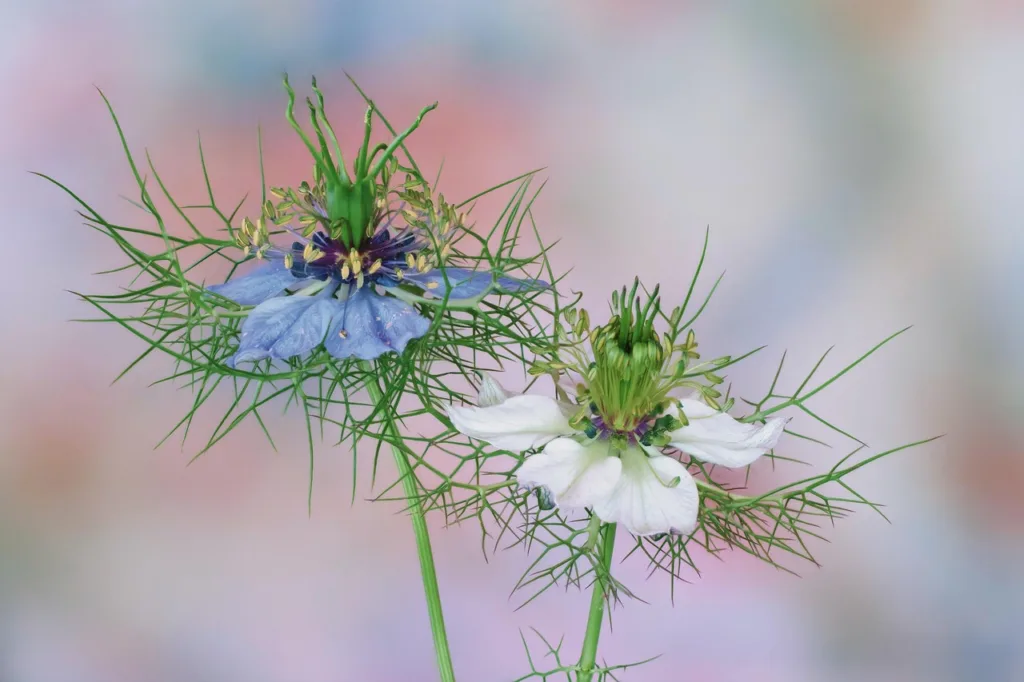
Love-in-a-Mist (Nigella damascena)
- Preferred USDA Zones: 2–11
- Planting Conditions: Full sun; well-drained, moderately moist soils, with pH 6.0–7.0
- Moon Sign: Associated with Air signs (Gemini, Libra, Aquarius) for optimal flowering and clarity in magical traditions
- Germination Requirements: Requires light; sow at shallow depth (~1/8″)
- Folklore/Magical Correspondences: Known for protection, mystery, intuition, and romantic hope; its “Devil-in-the-Bush” nickname speaks to protective, banishing energies
Context: Love-in-a-Mist is celebrated for both its frilly, mystic blue, white, and pink flowers and its ornamental seed capsules, often used in dried bouquets. It self-sows and thrives in cool spring weather or after overwintering. Seeds and foliage are laced with mystical symbolism directed at clarity, dreamwork, and emotional healing.
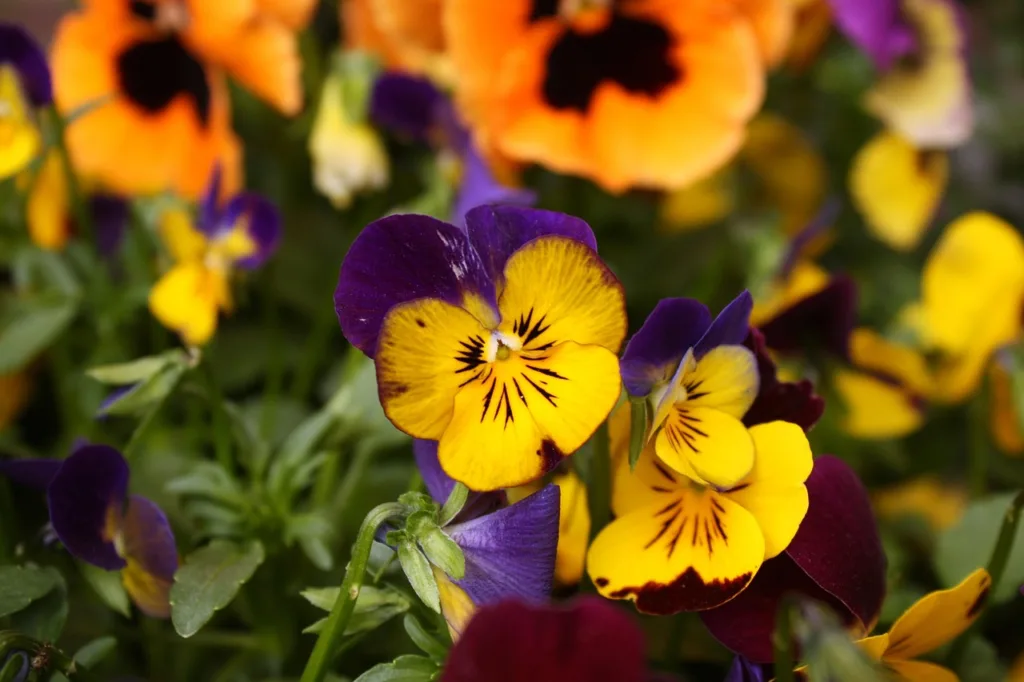
Pansy (Viola × wittrockiana)
- Preferred USDA Zones: 3–9 (best in 4–8 for fall sowing)
- Planting Conditions: Full sun to partial shade; well-drained, organic-rich, slightly acidic soils; tolerate cool weather, resilient to light frost
- Moon Sign: Sown under Seed Moon (Pisces) or Flower Moon (Libra) for best results
- Germination Requirements: Requires darkness; sow 1/8–1/4″ deep; do not expose to light until sprouted
- Folklore/Magical Correspondences: Central in the Celtic love potion tradition; brings remembrance, attraction, and deep bonds. Pansies have also symbolized free thought and “thinking of you”
Context: Pansies excel in the cool days of spring and fall, bringing cheerful color to beds and containers. With edible petals and long associations with love magic and remembrance, pansies bloom vigorously with fall sowing, especially if mulched ahead of winter.
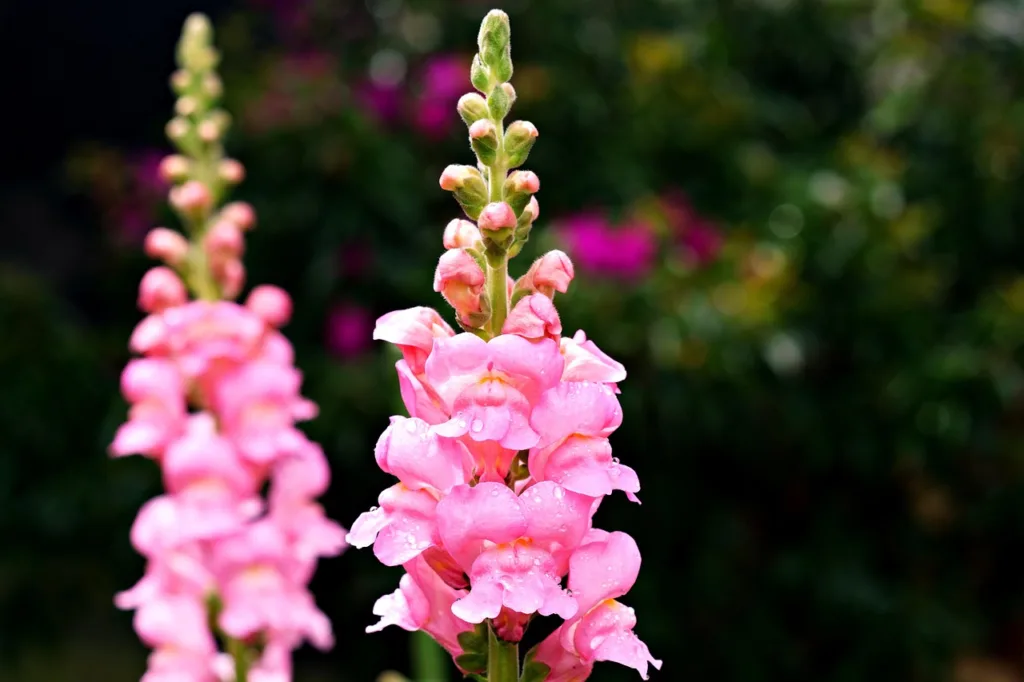
Snapdragons (Antirrhinum majus)
- Preferred USDA Zones: 4–6 (spring/fall annual), 7–10 (perennial)
- Planting Conditions: Full sun; fertile, well-drained soils, tolerates light shade but best color in sun
- Moon Sign: Best sown under Flower Moon (Libra) for blooms, or Capricorn (Earth sign) for root vigor
- Germination Requirements: Requires light—surface sow (do not cover) or press lightly into the soil
- Folklore/Magical Correspondences: Associated with strength, purification, and financial abundance; in English folklore, snapdragons were placed by money jars to multiply savings and bless new endeavors
Context: Snapdragons offer long spikes of complex, dragon-mouthed flowers in every color. They thrive in cool spring and fall, tolerating frost and even moderate freezes; fall-sown snapdragons in Zones 4–6 often flower up to a month earlier than spring-sown plants. The bloom season extends with regular deadheading and mulch for cold protection.
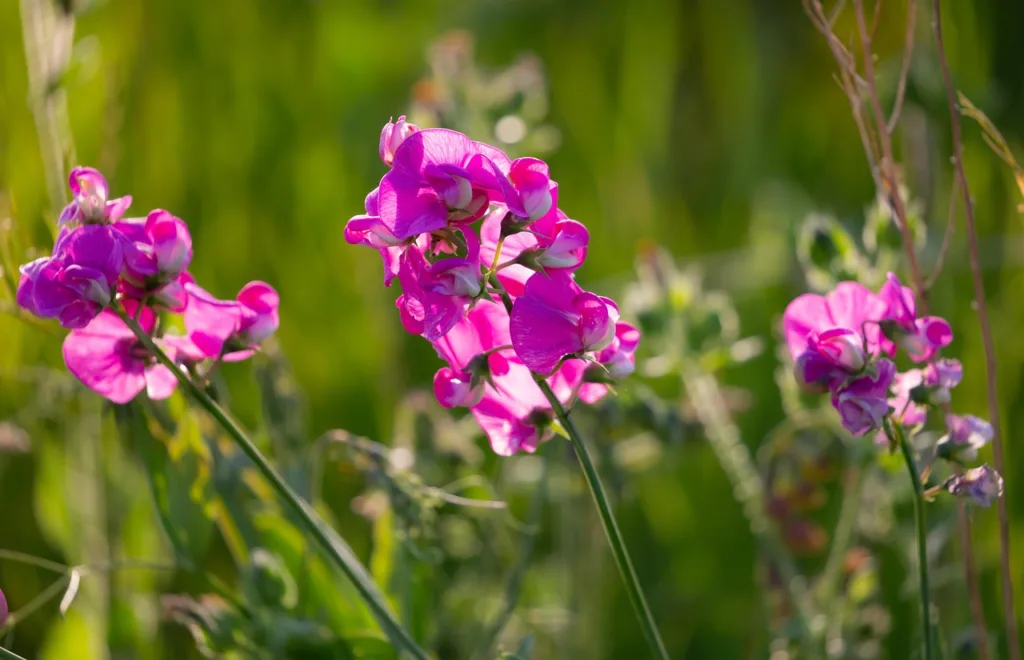
Sweet Pea (Lathyrus odoratus)
- Preferred USDA Zones: 5–10 (fall sowing best in 5–6, earlier bloom)
- Planting Conditions: Full sun; rich, neutral to alkaline, moist but well-drained soil; trellis required for climbing types
- Moon Sign: Sown best on a waxing moon, and especially favored under the Bud Moon (Aries) for shoot vigor or Libra for flower production
- Germination Requirements: Requires darkness; sow 1” deep; soaking or scarification may improve results; temperature 50–65°F needed
- Folklore/Magical Correspondences: Sweet peas are linked to loyalty, attraction, and blissful relationships; their fragrance and beauty have made them symbols of appreciation and gentle love in rituals and bouquets
Context: Sweet peas are climbing annuals with highly scented, ruffled blooms. Cool-season lovers, early sowing (or fall sowing in milder winters) produces the strongest, longest blooming plants. Sweet pea vines are classic for cutting and use in bridal and romantic magic.
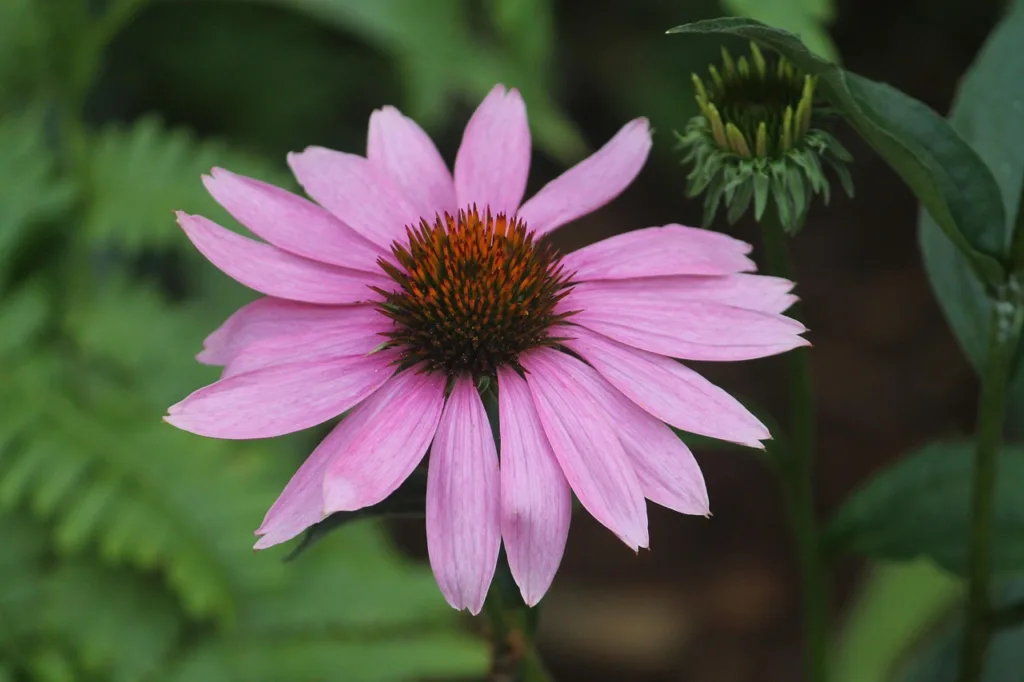
Coneflower (Echinacea spp.)
- Preferred USDA Zones: 3–9 (robust perennial)
- Planting Conditions: Full sun to part shade; well-drained, tolerates poor soil, drought once established
- Moon Sign: Sow during the Root Moon (Capricorn/Taurus) for strong root development; Libra is also favorable for balance and pollinator attraction
- Germination Requirements: Requires darkness and cold stratification; sow in autumn for natural cold exposure, or chill seeds for spring sowing
- Folklore/Magical Correspondences: Echinacea is a healing and protective herb; used for strength, resilience, and immunity. In Native American and European traditions, it represents health, prosperity, and energetic protection. Used in spiritual offerings and boosting ritual “power”
Context: Echinacea, or purple coneflower, graces gardens and native borders with large, daisy-like heads and spiny centers. It is a pollinator magnet and, via cold stratification (winter), produces stronger, earlier-flowering plants than spring-planted seeds.
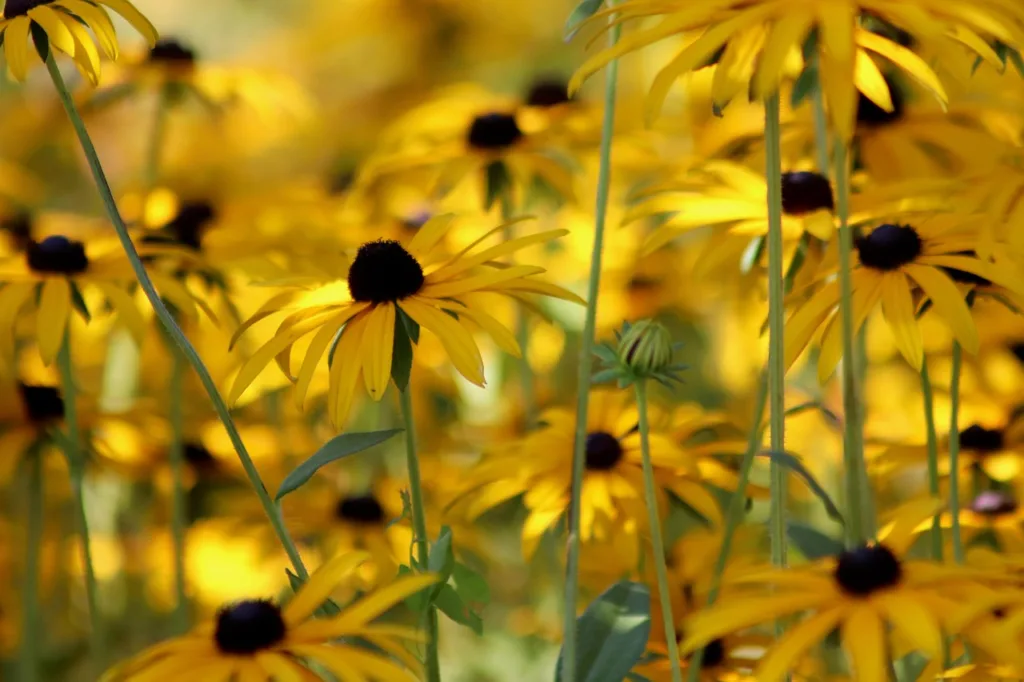
Black-Eyed Susan (Rudbeckia hirta)
- Preferred USDA Zones: 3–9 (short-lived perennial; grown as annual or biennial in coldest zones)
- Planting Conditions: Full sun, well-drained sandy loam or average soil; pH 6.0–7.0
- Moon Sign: Sow under Root Moon (Taurus/Capricorn) or Libra for ideal results
- Germination Requirements: Needs light for germination; press onto soil surface, do not cover more than 1/8″ deep
- Folklore/Magical Correspondences: Symbolizes resilience, courage, and spiritual renewal; burned in protective magic and to banish negativity. In Native American folklore, Black-Eyed Susans are tied to bravery and healing
Context: With their bright yellow petals and dramatic centers, Black-Eyed Susans are tough and widely adaptive. Sow in fall for earliest blooms and strong, winterized seedlings; they support pollinators and wildlife and are easy to grow from direct-sown seed in autumn.
Quick-Reference Summary Table
| Flower (Botanical/Common) | USDA Zone | Sun/Shade Preference | Moon Sign | Germination (Light/Dark) | Magical Correspondences |
|---|---|---|---|---|---|
| Lobularia maritima / Alyssum | 3–10 | Sun/Part Shade | Libra, Cancer | Light | Peace, tranquility, anger protection |
| Centaurea cyanus / Bachelor B. | 3–8 | Full Sun | Libra (Air) | Dark | Love, courtship, good fortune |
| Calendula officinalis / Calendula | 2–11 | Sun/Part Shade | Cancer (Leaf) | Dark | Healing, protection, cheerfulness |
| Digitalis purpurea / Foxglove | 4–9 | Part Shade/Sun | Capricorn, Root | Light | Faery magic, spiritual aid, protection |
| Consolida ajacis / Larkspur | 2–10 | Full Sun | Libra, Gemini | Dark | Passion, heartbreak protection |
| Nigella damascena / Love-in-a-mist | 2–11 | Full Sun | Air (Gemini/Libra) | Light | Mystery, intuition, romance, protection |
| Tropaeolum majus / Nasturtium | 3–10 | Full Sun | Capricorn, Cancer | Dark | Victory, vitality, protection |
| Viola x wittrockiana / Pansy | 3–9 | Sun/Part Shade | Pisces, Libra | Dark | Love, remembrance, attraction |
| Antirrhinum majus / Snapdragon | 4–10 | Full Sun | Libra, Capricorn | Light | Wealth, strength, purification |
| Lathyrus odoratus / Sweet Pea | 5–10 | Full Sun | Aries, Libra | Dark | Loyalty, bliss, attraction, friendships |
| Echinacea spp. / Coneflower | 3–9 | Sun/Part Shade | Capricorn, Libra | Dark + Cold Stratification | Healing, prosperity, protection |
| Rudbeckia hirta / Black-Eyed Susan | 3–9 | Full Sun | Taurus, Libra | Light | Courage, renewal, banishing negativity |
How to Fall Sow: Techniques and Key Timing for Zones 4–6
Preparation:
- Choose a well-drained site—soggy ground kills wintering seeds or seedlings.
- Amend soil lightly with compost if fertility is low.
- Remove debris and weeds to minimize spring competition.
- Mulch lightly (straw or leaves) after sowing, especially in exposed sites.
Timing:
- Best sowing window: 4–10 weeks before expected first hard freeze. In zones 4–5, sow from late August through early October. In zone 6, you may sow into November if soils are workable.
- Sow after killing frost for annuals and native perennials needing cold (they won’t sprout in warm spells).
- Perennials needing stratification: sow after heavy frost for natural chilling (e.g., Echinacea, Larkspur).
Sowing Methods:
- Direct sowing is favored for all native wildflowers, most annuals, and robust perennials.
- Press small seeds (alyssum, pansy, foxglove, nigella) lightly into the soil surface.
- Cover dark-germinating seeds (larkspur, bachelor button, sweet pea) 1/4–1″ deep as required.
- Mark plantings well to avoid accidental disturbance and to distinguish them from weeds.
- Water once after sowing. Autumn rains, then winter snows will take over moisture needs.
- Protect containers (if using) from deep freeze by insulating or placing in an unheated shed/garage.
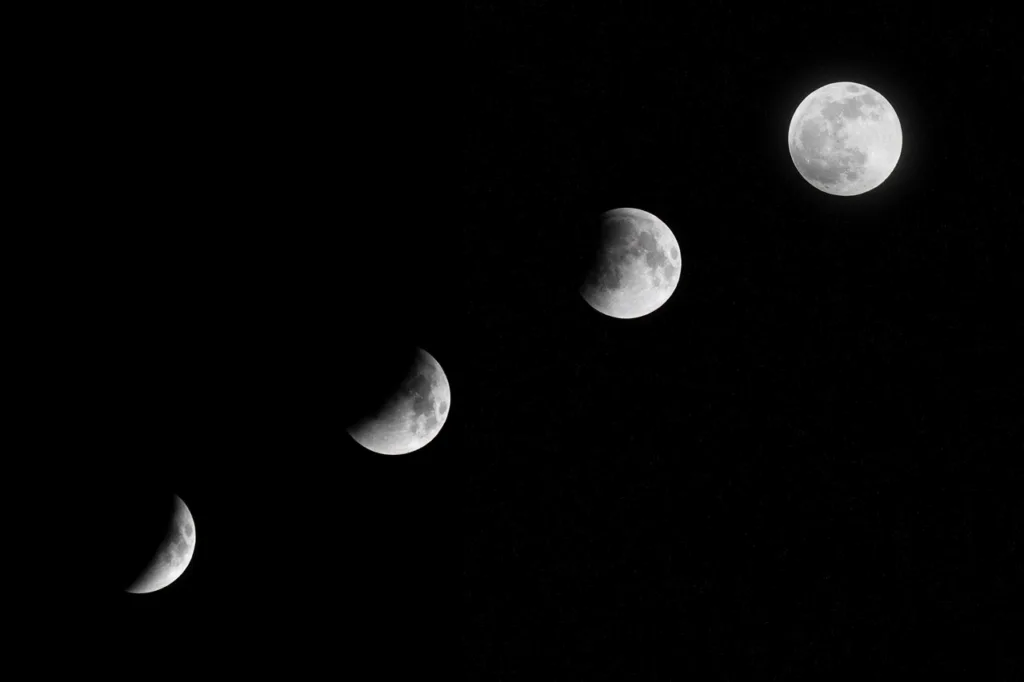
Lunar and Zodiac Planting: Seasonal Magic and Folkloric Traditions
Get the Witches Calendar with all the Moon Phases and Signs listed.
Planting by Moon Phase:
- Waxing Moon (first to second quarter, from new to full moon): Ideal for sowing above-ground flowering plants—growth energy rises with the moist, expanding moon.
- Waning Moon (third to fourth quarter, after full moon): Suited for maintenance, root work, and transplanting perennials.
Planting by Moon Sign:
- Water Signs (Cancer, Scorpio, Pisces): Exceptionally fertile, best for all types of sowing—especially for leafy growth and root establishment.
- Earth Signs (Taurus, Virgo, Capricorn): Fertile for root crops, perennials, and any sowing where toughness is desired.
- Air Signs (Gemini, Libra, Aquarius): Libra is “the flower sign,” highly favorable for sowing annuals, cut flowers, and aromatic or medicinal flowers intended for their blooms.
- Fire Signs (Aries, Leo, Sagittarius): More suited to harvesting, weeding, and garden chores.
- Sow snapdragons, pansy, and bachelor buttons under a waxing moon in Libra for more prolific flowers.
- Sow roots and healing herbs (coneflower, foxglove) in Capricorn or Taurus for deeper-rooted, resilient plants.
- Use flower petals in love spells or protections according to their mythic roots: pansies for romance, snapdragons for wealth charm, black-eyed Susans for courage and transformation.

Flower Folklore and Magical Correspondences: Planting with Intention
Alyssum: “Peace is the Path.” Use for calming magic and dispute resolution.
Bachelor Buttons: “Courtship and Courage.” Wear or plant to inspire honest love and foster youthful hope.
Calendula: “Sun Magic.” Used in dream pillows, healing ointments, and protection rituals—scatter petals in baths or under the bed for solar vitality.
Foxglove: “The Faery’s Glove.” Invoke protection from the unseen, aid in spiritual communication, and attract helpful elemental spirits.
Larkspur: “Passion Igniter.” Given in bouquets to keep hearts true, worn for emotional healing.
Love-in-a-Mist: “Mystic Veil.” Used to increase intuition, dreamwork, and in love spellwork. Pods carried for clarity and protection.
Pansy: “Love’s Remembrance.” Used in spells for attracting new love, healing heartbreak, and encouraging memory or clear thinking.
Snapdragon: “Fortune Magnet.” Folklore links snapdragons to prosperity rituals—place a bloom in a wallet or near coins for financial luck.
Sweet Pea: “Attraction and Loyalty.” Used in attraction rituals to enhance friendships or lasting love; valued for its blissful fragrance.
Coneflower (Echinacea): “Healer’s Shield.” Central in spells for health, protection, and waging spiritual battles. Place petals in medicine pouches.
Black-Eyed Susan: “Resilience.” Used in renewal rituals, to bring light after darkness, or to restore inner strength amid hardship.
Conclusion: Sowing a Garden that Blooms with Spirit and Science
Fall sowing in Zones 4, 5, and 6 deftly unites the practical world of horticulture with the timeless rhythms of folklore and magic. By carefully selecting seeds suited to cold climates, honoring the ecological wisdom of the land, and sowing under the right lunar conditions, your autumn ritual plants the promise of vibrant spring. Each flower holds both a story and a spell—a living tapestry of beauty, pollinator support, and the power of tradition.
Gardeners in cold climates who embrace this blended approach are rewarded not only with strong, early perennial and annual blooms, but with the satisfaction of carrying forward the unseen wisdom of those who gardened before them. With every seed and spell, you nurture both your landscape and your spirit, weaving enchantment into each fecund bed.

Words for the Sleeping Seeds
Spoken after sowing, before the ground freezes
“Now the wheel turns, and I sow in silence.
Cool earth receives you, little ones—
Not to bloom, but to sleep.
The frost will kiss you, the snow will blanket you,
And the long dark will whisper its wisdom.
You are not forgotten. You are becoming.
Rest now, beneath the hush of winter.
Let the cold carve strength into your roots.
Let the moon mark your dreaming.
Let the stars keep watch above your bed.
When the thaw comes, rise.
Stretch toward the sun with memory of this moment—
Of hands that placed you,
Of hope that held you,
Of spring that waits to greet you.”
Root deeper into the rhythm of the seasons with me.
If this fall planting guide stirred something in your soil-loving soul, I invite you to join the Hedge Witch Cottage newsletter—a seasonal dispatch of planting wisdom, ritual timing, and regenerative magic for flower farmers and garden witches alike. You’ll be the first to receive exclusive excerpts from my upcoming ebook, printable sowing charts, moon-phase planting prompts, and behind-the-scenes glimpses of foraging forays.
Let’s grow together—in rhythm, in ritual, and in bloom.
Sign up now at Hedge Witch Cottage to recieve a printable fall flower planting schedule. and never miss a seasonal whisper.
Blessed Be, Kirsten

-
The Lace in the Meadow
If you’ve ever wandered a July roadside and caught sight of white lace billowing in the breeze, you’ve met her—Queen Anne’s Lace, also known as wild carrot. Her blossoms, elegant and intricate, form a tapestry across Michigan fields this time of year, and they’ve long been steeped in folklore. Legend says Queen Anne pricked her…
-
From Orchard to Jar: Organic Peaches & Peel Jelly Wisdom
There’s nothing quite like the scent of a summer-kissed peach—sun-warmed, juice-laced, and heavy with sweetness. In the height of harvest, when baskets brim and the canning kettle sings, we honor the whole fruit, peel to pit. Choosing organic peaches allows us to preserve with confidence, knowing our jars hold clean, nourishing goodness for the colder…
-
Shadow at the Threshold: How Black Witchcraft Evolves from Unresolved Trauma and Emotional Wounds
Unintentional black witchcraft is not often discussed in circles that explore the mysteries of healing, energy, and ancestral trauma. Yet, it is a phenomenon that quietly shapes lives and relationships in profound ways. For those walking a spiritual path, it is both a warning and an invitation-a shadow at the threshold, urging us to become…


One Comment